Built from the floor up.
Most supply-chain software starts in a boardroom. Someone reads a regulation, hires a consultant, and ships a spreadsheet template down to the mills. We started somewhere else.
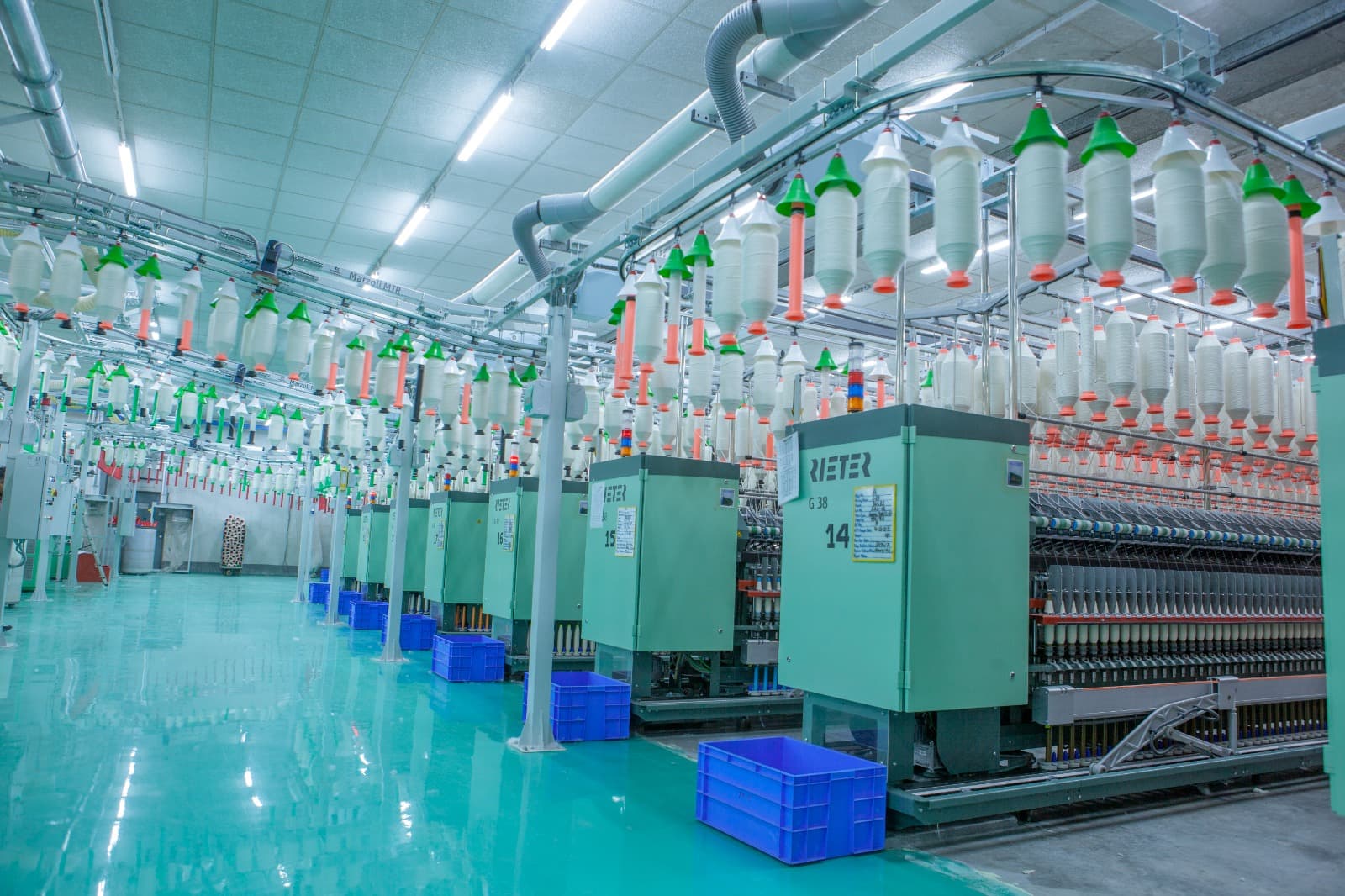
A factory floor in Bangladesh.
TraceLoom started on a factory floor in Bangladesh, watching a 14-ounce indigo selvedge come off a Sulzer P7100 and thinking, that yard of denim has a story, and right now no one is writing it down.
The story matters because it's about to be required. The EU passport mandate phases in 2027. CSRD is already here. CSDDD is next. Brands will need to know who spun the cotton, who dyed the fabric, what the boiler burned that month, whether the welfare audit was current. The answer can't be a PDF.
So we built it from the floor up. The first thing on the page was the QR code on a roll of fabric. Scan it, see where it came from. The second thing was the mill profile that QR pointed to. Then the emissions, then the welfare scorecard, then the supplier scoring.
The reverse is what most platforms do: start with the regulation, work backwards into the questionnaire, never quite touch the floor. That's why their numbers are estimates and ours are live. The data flows the other direction, meter to mill to brand to passport, and every figure on this site traces to a real source record.
Argon Denims is the lab. WEFT is the engine. Every other mill that comes online is one more node in a network the regulators are about to require, and we want to be the layer brands and mills both run their compliance on, not the spreadsheet they fill in once a quarter.
How we'd describe the work
if a buyer asked.
Run your mill
on real data.
One pilot live today, more coming online each month. Be on the page when the next mill ships.